How to buy jewelry as a gift without knowing sizes or ruining surprises
In short
- Size-safe categories first: necklaces, pendants, most bracelets and brooches fit nearly everyone. Rings are the only true size trap.
- For rings: borrow one they wear on the target finger, trace it, or buy resizable and gift the sizing as part of the present.
- Read what they already wear, metal color, scale, era, and buy into it. Vintage pieces add a story that outperforms any brand box.
Jewelry is the highest-stakes gift there is: worn on the body, judged by taste, and, in one category, dependent on a measurement you are not supposed to ask for. It is also, bought right, the gift that outlives every other one under the tree. The buying craft splits into three questions, size, taste, and where, and all three have workmanlike answers.
Size: the map of safe and dangerous
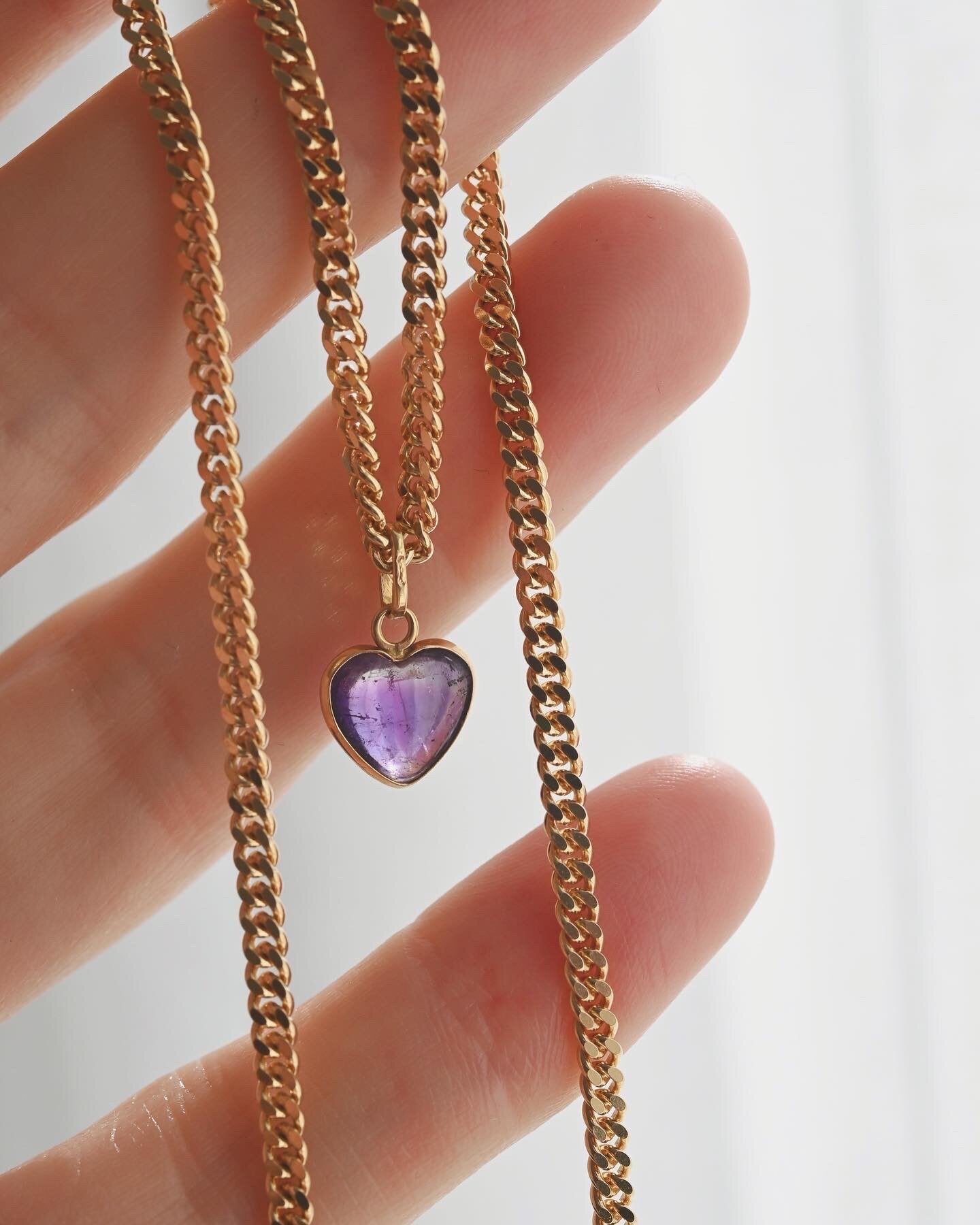
Most jewelry forgives ignorance. Necklaces and pendants: chain length is a style choice more than a fit, mid-lengths suit nearly everyone, and extenders adjust the rest; a pendant on a standard chain is the classic safe gift for a reason. Bracelets: standard lengths fit most wrists, and links adjust. Brooches: no size exists; the anxiety-free classic returning to fashion. Earrings: pierced-or-not is the only gate; confirm it and the category opens. Bangles: a rough guess at hand size, slender, average, generous, gets slip-ons close. Rings: the one true trap, where a size wrong by a quarter lives in a drawer.
Ring espionage, ranked by reliability: borrow a ring they actually wear on the target finger and trace its inside circle on paper (note the hand, left and right differ); the soap-impression trick with the same borrowed ring; a conspiring friend with steady nerves; and the honest fallback, buy a ring the listing confirms is resizable, per the standard resizing rules, and present the sizing appointment as the second half of the gift. Engagement buyers get their own full guide; the espionage is identical, the stakes merely higher.
Taste: audit, then match
The recipient has already published their taste; it is in their jewelry box and on their hands. Audit it: gold tone or silver tone; delicate or substantial; plain metal or stones, and which colors; modern minimal or old and storied. Then gift into the pattern, not at it, the piece that layers with what they wear gets worn weekly, which is the whole definition of a successful jewelry gift, while the piece that argues with their wardrobe becomes a fond drawer resident. When their pattern says vintage, or says nothing yet, the vintage market is the gift-buyer's unfair advantage: a piece with a year, a hallmark and a story, this bracelet is Danish, 1962, solid gold, weighs twice the new one, gives you something to say at the giving, and giftees remember the story longer than the box. The romance rests on documentation, so buy from listings that state marks, weights and measurements, and gift the little dossier along with the piece.
Where: buy where mistakes are survivable
Gift-buying multiplies the value of civilised transactions: you want honest listings to buy against, protected payment while the parcel travels, and a sane path if the surprise misfires. That is the escrow-marketplace argument in gift form: the listing is a contract, the money waits until the piece arrives as described, and returns follow process rather than pleading. Practical gift logistics: order early enough for the shipping window plus a sizing buffer; keep the documentation and any certificate for the recipient; and for surprises across households, ship to yourself, presentation matters, and a vintage piece deserves better than arriving in a mailer at their door.
The last secret
The best jewelry gifts are rarely the biggest: they are the most specific. The birthstone chosen because you knew the month; the locket because they keep photographs; the 1948 ring because that was a grandmother's year. Specificity is what jewelry is for, and the vintage market, searchable by year, stone and story, is a specificity engine. Go in with their pattern in mind and one true fact about them, and the right piece tends to announce itself.
Common questions
What jewelry can I safely gift without knowing a size?
Necklaces and pendants (chain lengths are forgiving and extenders exist), most bracelets, brooches, and many earrings for pierced ears. Bangles need a rough hand-size guess; rings are the only category where size is genuinely critical.
How do I find a ring size secretly?
Borrow a ring they wear on the intended finger and trace its inside circle, or press it briefly into soap and measure the impression, noting which hand and finger it came from. Failing that, buy a resizable ring deliberately and make the jeweller visit part of the gift.
How do I know what style they would like?
Audit what they already wear: gold or silver tone, delicate or bold, plain or stone-set, modern or old. Gift into the pattern rather than at your own taste; the piece that matches their existing jewelry gets worn, which is the entire victory.
Is vintage jewelry a good gift?
Often the best kind: a piece with a decade and a story outperforms an anonymous new box at the same price, and the story becomes part of the giving. Buy from listings with full documentation, marks, measurements, condition, so the romance rests on facts.
What if the gift is wrong?
Buy where returns are civilised: protected marketplaces with clear listing contracts and return processes beat final-sale counters for gift risk. Keep the documentation, and remember chains extend, rings resize, and honest receivers exchange happily when the gesture was right.
Nextmine is a marketplace for jewelry that has already had one life. Buyers pay into escrow, sellers are paid once the piece has arrived, and every listing is someone's own photographs of their own piece.
Browse the pieces for sale·How payments work·Questions and answers