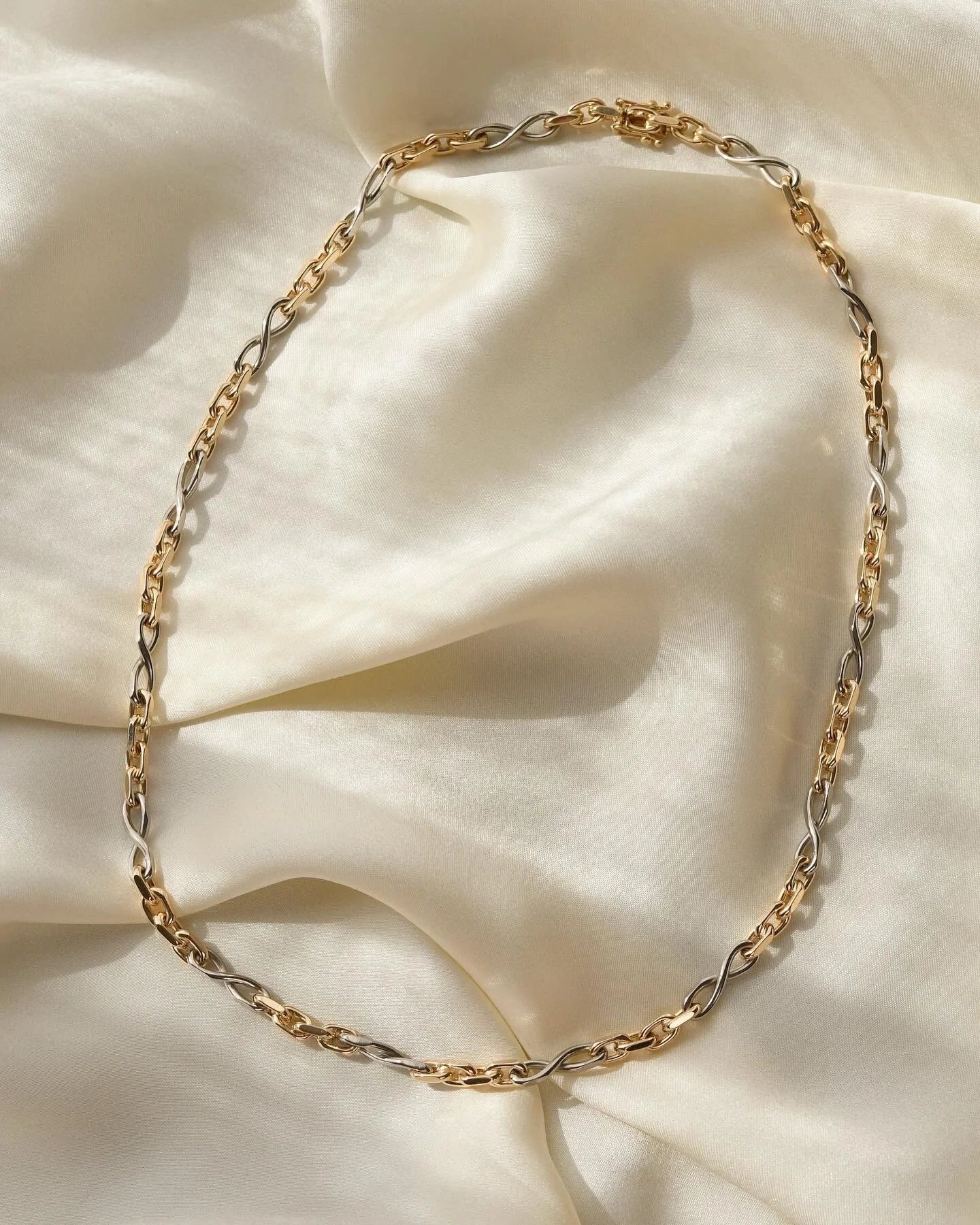
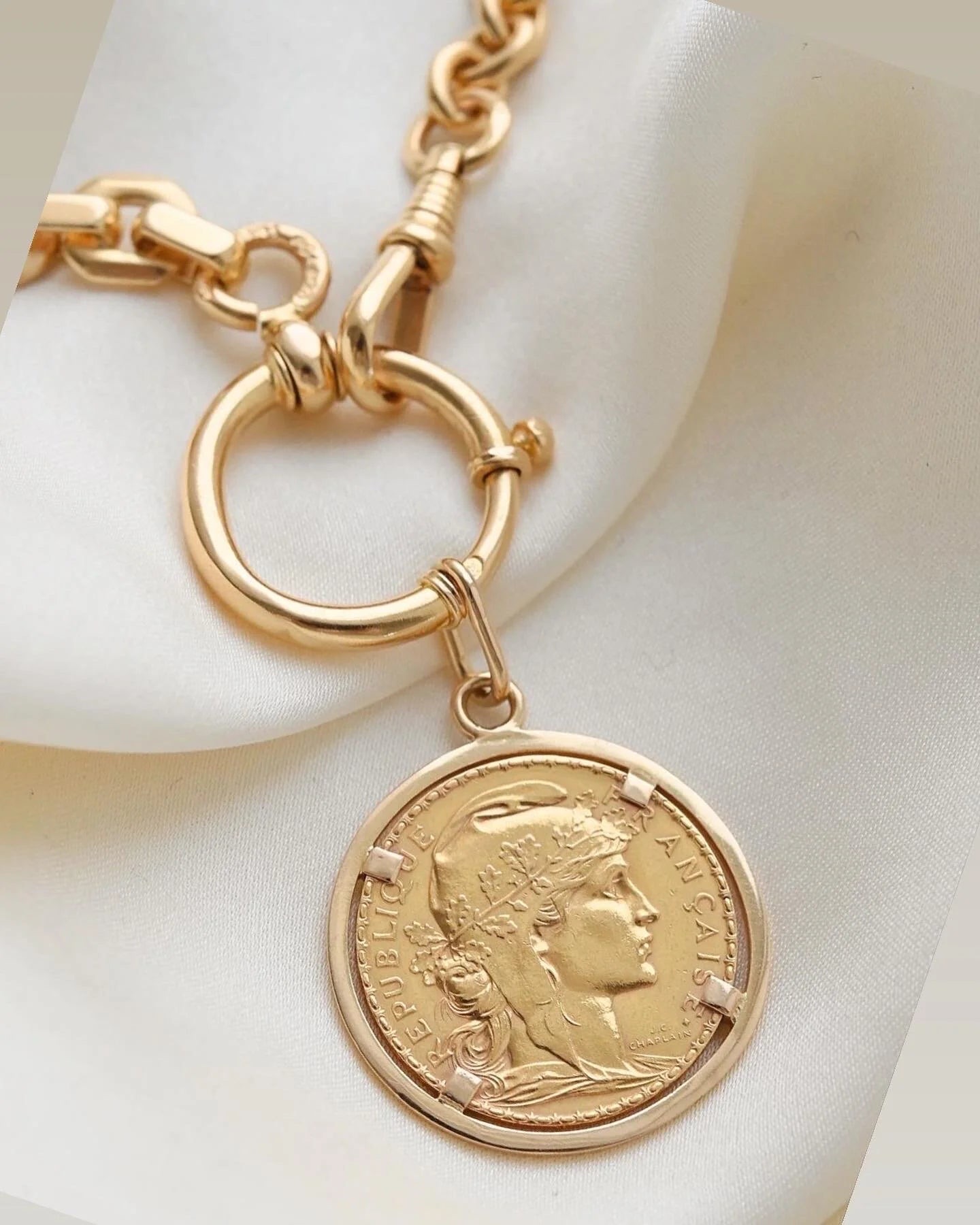
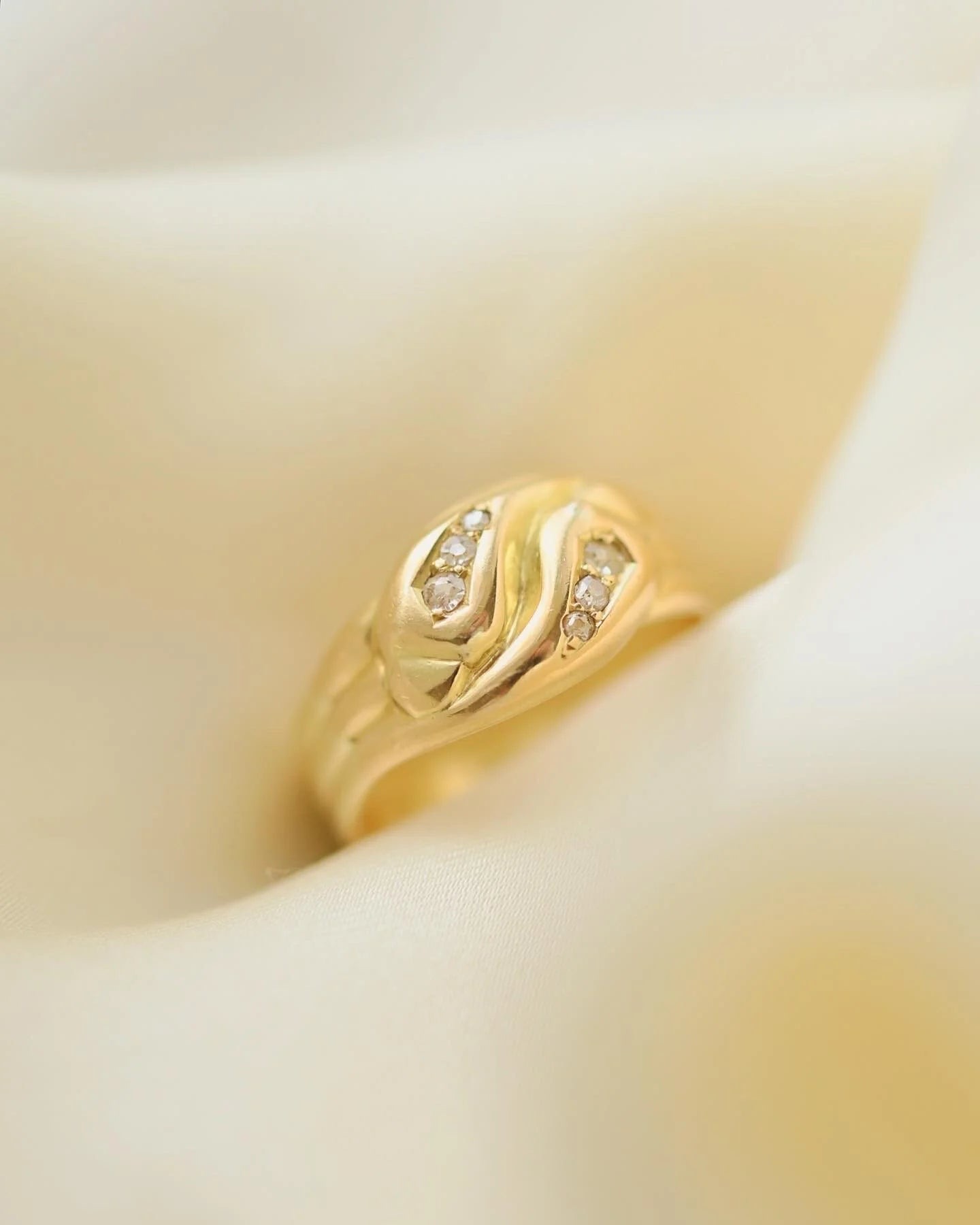
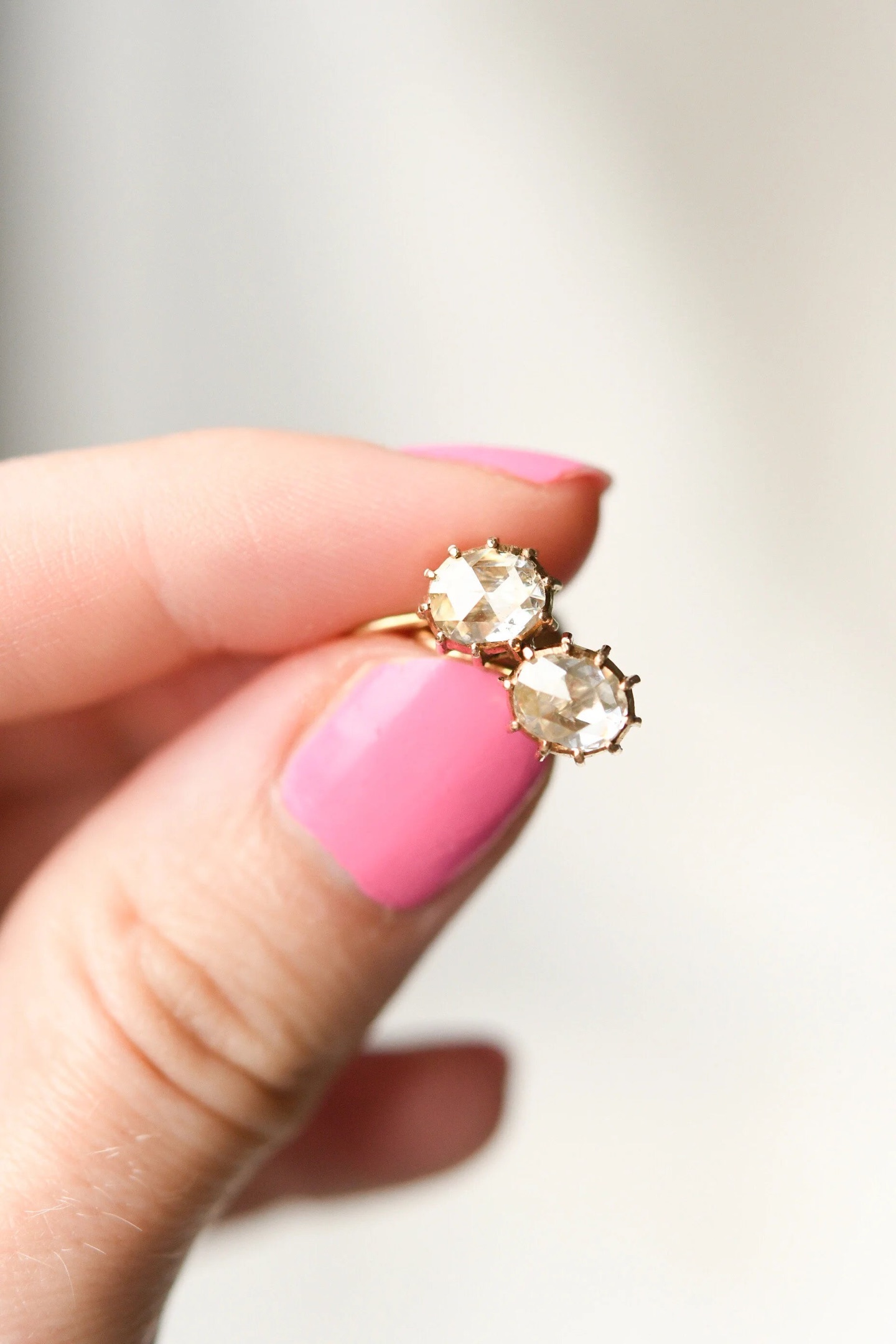
How to read a hallmark, date a piece, recognise an old cut diamond and sell what you own without getting burned. Written for people who buy and sell jewelry that has already had one life.
Written by Line Evelin Munkholm
Searches titles, summaries and topics. Try escrow, hallmarks or shipping.
Add Nextmine to your iPhone or Android home screen in four taps, then turn on notifications so you know the moment a buyer writes, an offer lands or your order ships. On iPhone, the home screen step has to come first - here is why, and exactly how.
The difference between a drawer of jewelry and a collection is direction. How to define what your collection is about, upgrade instead of accumulate, and prune without guilt.
Retail price, insurance value and resale value are three different numbers, and only one of them is what a buyer will pay. How to find that number for your ring.
Sort before you sell, identify before you price, and keep the pieces that carry the story. A practical order of operations for a box you did not choose.
A pawnbroker pays for speed and certainty; an online sale pays for patience and description. What each route costs, what each pays, and when each is the right answer.
Lab grown diamonds are real diamonds and cost a fraction of mined ones. What you can check yourself, what needs a laboratory, and why the mount often tells you first.
Unmarked does not mean fake, but it does mean you have to prove the metal another way. Testing options, honest wording and how to price the uncertainty.
Non-payment is annoying rather than dangerous, provided you never ship first. What to do, how long to wait, and why the order of events protects you completely.
Consumer returns, marketplace protection and private sales all follow different rules. What you are entitled to, what you are not, and how to inspect on arrival.
Instagram and Facebook sell a lot of genuine jewelry and a lot of nothing at all. The checks that separate them, and the payment rule that matters most.
Estate means previously owned, nothing more. It says nothing about age, quality or origin, and understanding that stops you paying antique prices for last year.
Reasoned offers get accepted and round-number lowballs get ignored. What to research first, how to phrase an offer, and when there is genuinely no room.
Broken gold is worth its weight, and sometimes considerably more. How to work out the scrap value yourself, and how to spot the pieces worth repairing instead.
Jewelry selling has a rhythm: gift seasons, engagement season, and the quiet months. When to list, when to hold, and why the day of the week matters less than you think.
Probate wants fair market value, not insurance replacement. What that means in practice, when a formal valuation is needed, and how to document it properly.
Price from three anchors: melt value as the floor, sold comparables as the market, and your piece's specifics as the adjustment. Here is the method, step by step.
Double-box, immobilize the piece, insure for the sale price, require signature, and never write jewelry on the outside. The full packing and shipping method.
Condition language sells when it is specific: what is worn, what is original, what has been repaired. The vocabulary, a grading ladder, and the flaws you must always disclose.
Provenance turns a story into evidence: receipts, photos, inscriptions, marks and a written chain of ownership. How to build a provenance file that raises value.
Insurance, fair market and liquidation appraisals answer different questions with very different numbers. What each costs, when you need one, and when you do not.
Escrow holds the buyer's money with a neutral party until the jewelry arrives as described. How it works, what it prevents, and why direct payment is where fraud lives.
Decide your floor before the first offer, answer lowballs with facts not feelings, and use counteroffers that carry reasons. A seller's negotiation playbook.
Usually no: cleaning yes, repairs sometimes, restoration rarely. Original condition is what collectors pay for, and amateur improvement destroys value. The decision tree.
The gold price sets your floor and it moves daily. How to read the spot price, why timing the market rarely beats selling well, and when waiting genuinely pays.
Cross-border jewelry sales widen your buyer pool enormously if you handle customs declarations, insured shipping and payment protection correctly. The seller's guide.
Real finds still happen, to prepared eyes. The kit to carry, the five-minute inspection, haggling etiquette, and the traps that separate bargains from lessons.
Connoisseurship is a trainable skill: handle pieces, read marks, study construction, and test yourself before reading labels. A practical curriculum for building the eye.
Certificates pay for themselves on significant diamonds and premium colored stones, and waste money on small or ordinary ones. Where the line runs, and what certs actually prove.
A 10x loupe, a 0.01 gram scale, a magnet, calipers and a UV torch cover ninety percent of jewelry questions for the price of one dinner. What to buy and how to use each.
Whole collections sell best sorted, not dumped: triage into tiers, sell each tier through its right channel, and never let a bulk buyer average your best pieces down.
Overpayment offers, off-platform pressure, fake payment screenshots and shipping address games: the buyer-side scam playbook, and the two rules that defeat all of it.
Weight, marks, measurements, condition, returns: the short list of questions that separates good sellers from risky ones, and gets you the facts photos cannot show.
Document before you touch, compare against the listing, contact the seller inside the platform, and open the dispute within the window. The buyer's playbook, step by step.
Signed pieces, quality construction and collectible eras give costume jewelry real value. How to sort the box: signatures to look for, condition rules, and what stays worthless.
A pocket watch is two objects, a hallmarked case and a numbered movement, and selling one well means documenting both. The seller's guide, running or not.
Occasional private sales of personal jewelry are untaxed in many places; trading for profit is taxed almost everywhere. The general principles, the records to keep, and when to ask a professional.
Consignment means a dealer sells your piece for a commission while you keep ownership until sale. How the deals work, the contract points that matter, and when direct sale wins.
Consigning to auction means estimates, reserves, seller's commission and a date with a hammer. What each term means, what it costs, and which pieces auctions actually serve.
One row per piece: photos, weight, marks, cost, story. The simple system that serves insurance, inheritance and selling, and takes ten minutes per piece.
Gold tone, gold filled, stock photos, gram-free listings and certificate theatre: the listing-reading skills that filter risky sellers before you spend anything.
Reputation is compound interest on boring reliability: accurate listings, fast tracked shipping, honest flaws, gracious problem-handling. The playbook from zero to trusted.
Public places, daylight, a companion, verified payment before handover, and the deals that should never be local at all. The in-person selling safety protocol.
Views without offers means price; no views means title, photos or category; questions without buyers means missing facts. Diagnose the stale listing and fix the right thing.
Warm water, one drop of washing up liquid and a soft brush is safe for most gold and hard stones. But closed backs, foiled stones, emeralds, opals and pearls must never get near water or an ultrasonic. Here is what is safe and what is not.
Rub a pearl against your tooth: real feels gritty, imitation feels smooth. But that only proves it is a pearl. Natural versus cultured is the distinction that changes the price tenfold, and it needs an X-ray.
16 inches sits at the base of the neck, 18 just below the collarbone, 24 at the bust. Plus which chain types survive daily wear, which ones kink permanently, and what a clasp tells you about a chain's age.
An old ring gives you a hand-cut stone, a setting nobody else is wearing and usually more for the money. The trade-offs are sizing, no modern grading report, and condition. The seven questions to ask before you buy.
Backlight it. Shell glows warm orange with fine growth lines, hardstone stays opaque, plastic glows flat and even. Then judge the carving, the mount and the clasp separately, because cameos were reset constantly.
Outright forgery is rarer than the internet suggests. Reproductions, married pieces and heavily rebuilt originals are what you will actually meet. Start with the back, then the findings, then the stone cuts.
File marks and solder seams mean fabricated at a bench. A faint orange-peel surface, softened detail and tiny round pits mean cast in a mould. The difference drives value, repairability and how a piece fails.
The setting is the part that fails. Which one a ring has tells you its period, how well it will survive daily wear, whether it can be resized, and what repairs to budget for.
Screw backs mean roughly 1900 to the 1940s, clips mean 1930s onwards, posts mean mid century. But fittings get replaced, so the fitting dates the fitting - judge the body of the earring separately.
Enamel is glass fused to metal in a kiln. That explains the depth of colour, why it survives a century unfaded, and why one knock takes a chip nobody can invisibly repair. How to tell it from paint, and how to care for it.
Men's antique jewelry has the workmanship, a lower survival rate because so much was melted, and prices that have not caught up. What to look for in cufflinks, dress sets, stick pins, watch chains and signet rings.
The listings that sell fastest answer every question a careful buyer was about to ask, before they ask it. What belongs in the title, which measurements matter, and why describing the flaws first makes everything else believable.
The listing price is rarely the price at your door. Import duty, VAT or sales tax, and the carrier's handling fee are three separate charges, and in most countries the buyer pays all three. What DDP means, and why a cross-border return can cost you.
Most contents policies cap any single item at a few hundred, and often stop covering it at the front door. What kind of valuation you need, why it is not the one you use for selling, and the record to make before anything happens.
Look at far more than you buy, pick one narrow thing to learn properly, and buy the best condition you can afford rather than the biggest. The dull advice is the advice that works, and here is how to apply it.
Old is not rare. Scarcity comes from survival rate, fragility, short production windows, labour nobody will pay for now, and originality. And rare is not the same as expensive - which is where the opportunities are.
Read the karat mark first: 375, 585, 750 and 916 mean real gold, while GF, GP and EPNS do not. Here is how to find the mark, decode it, and check an unmarked antique piece without damaging it.
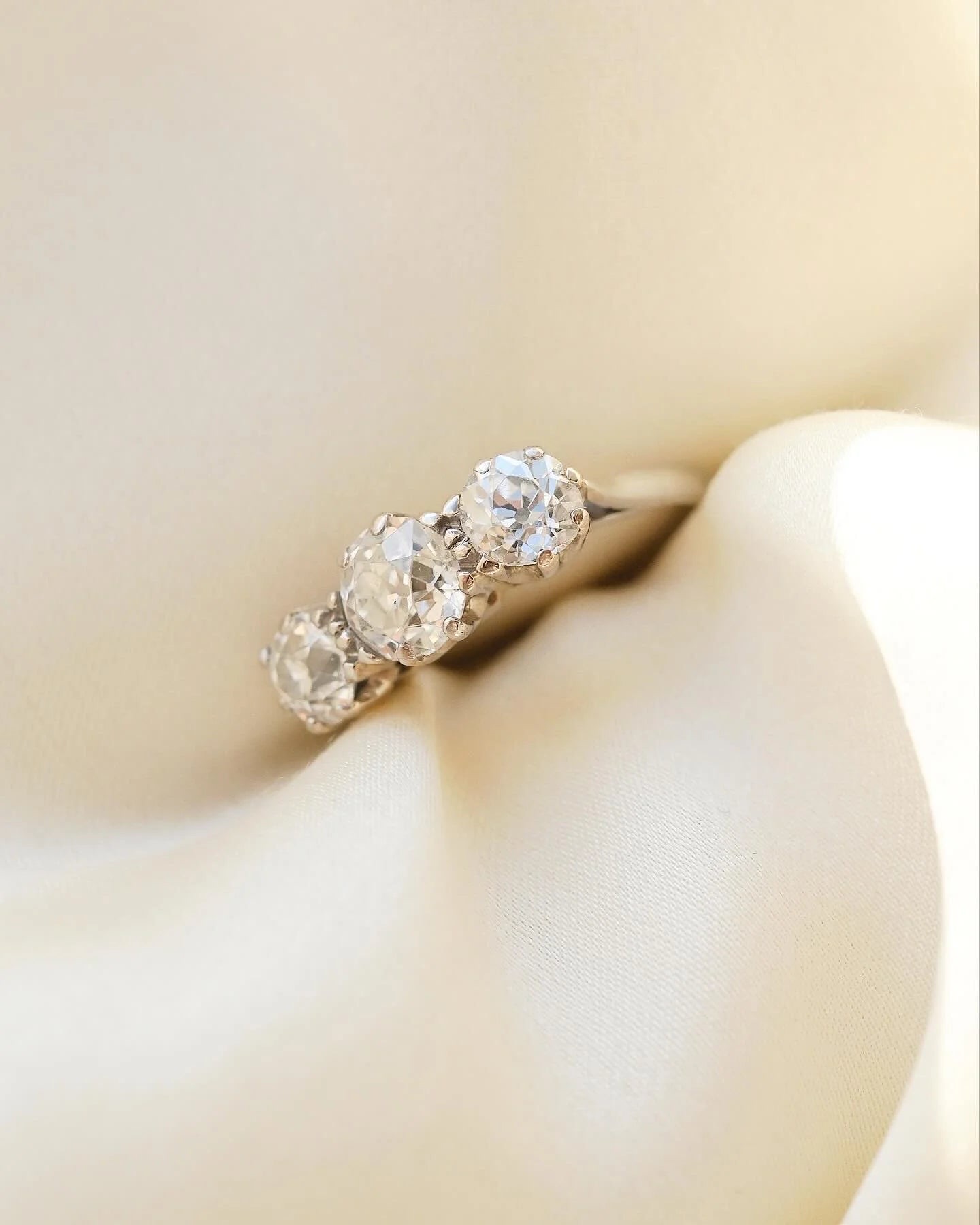
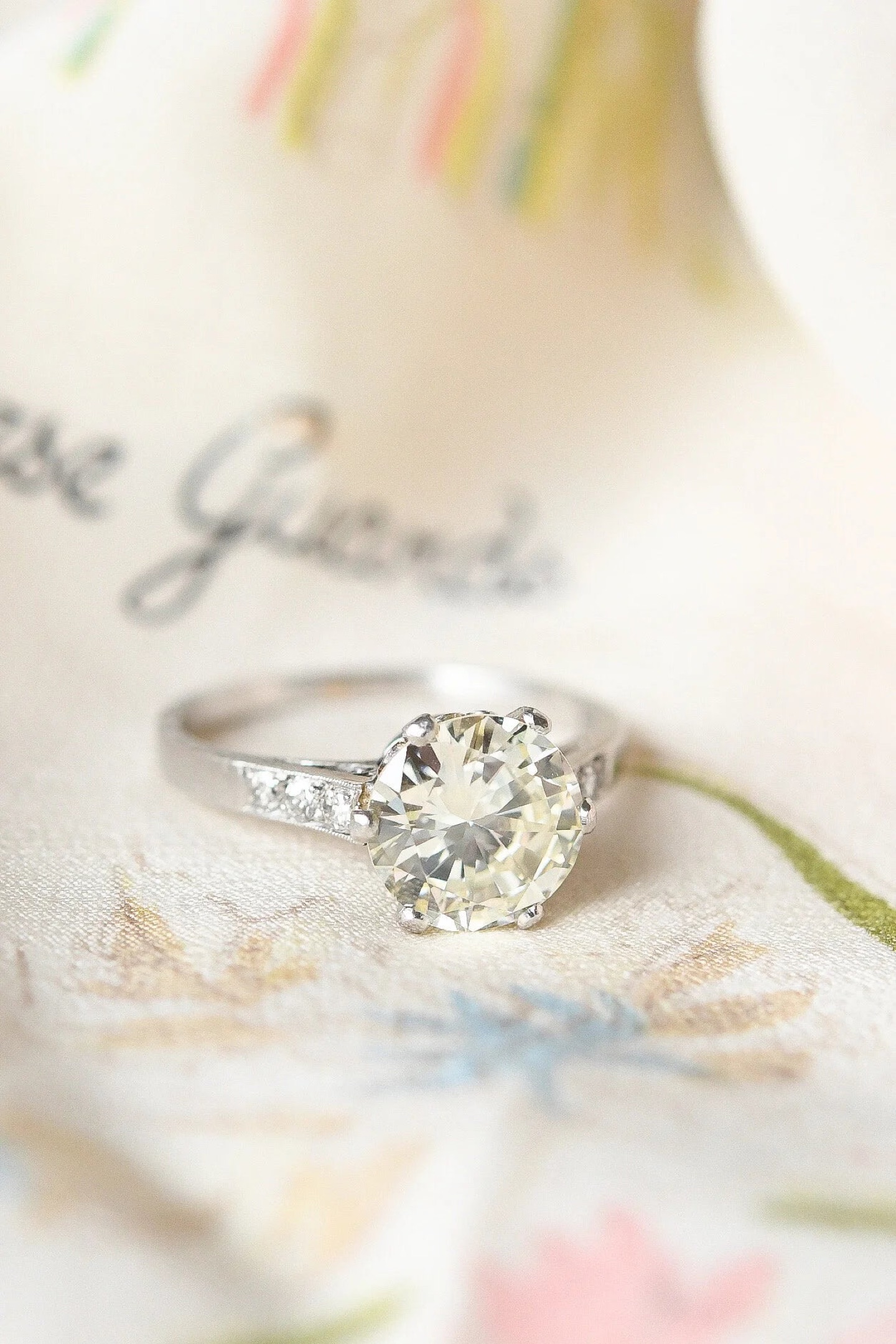
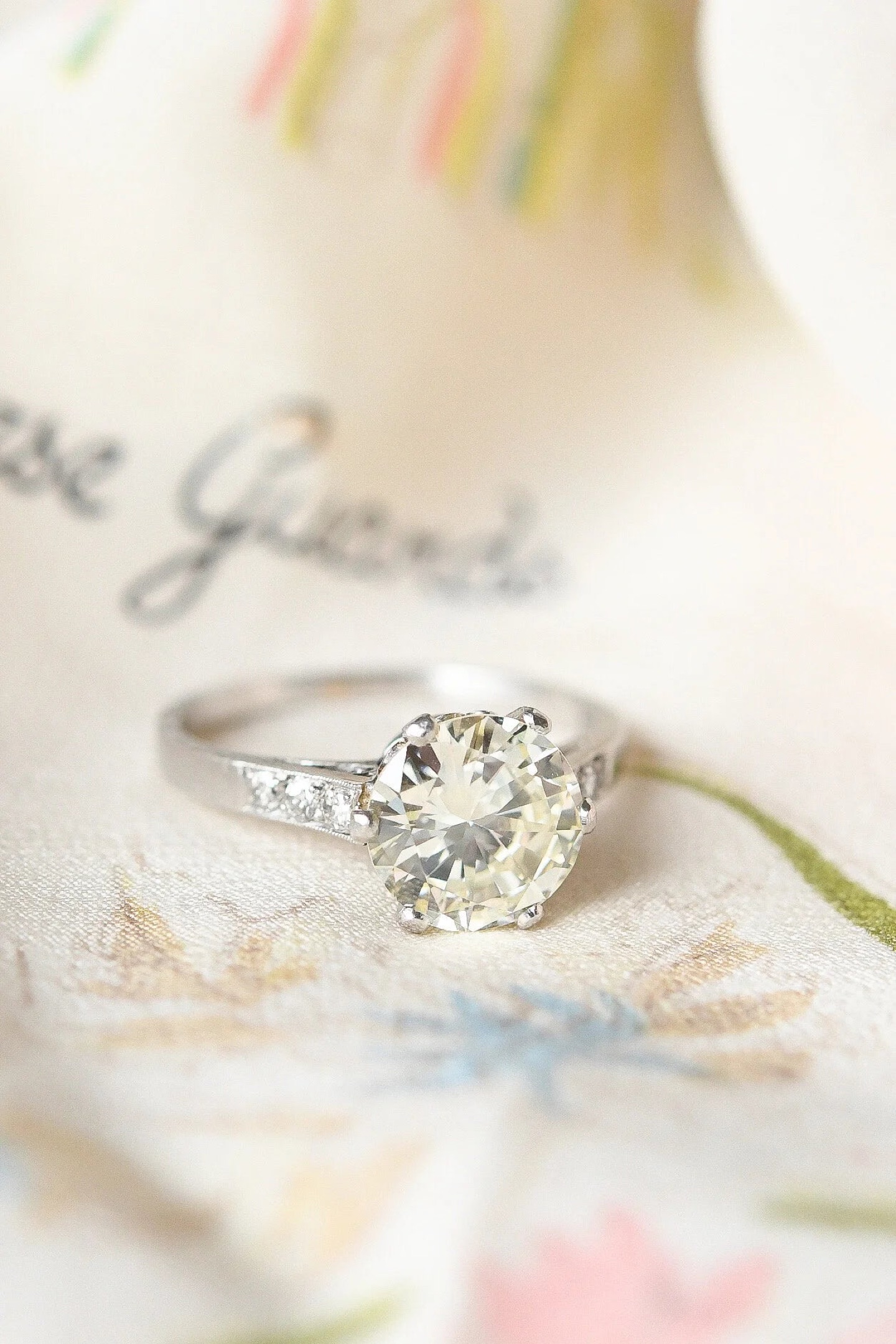
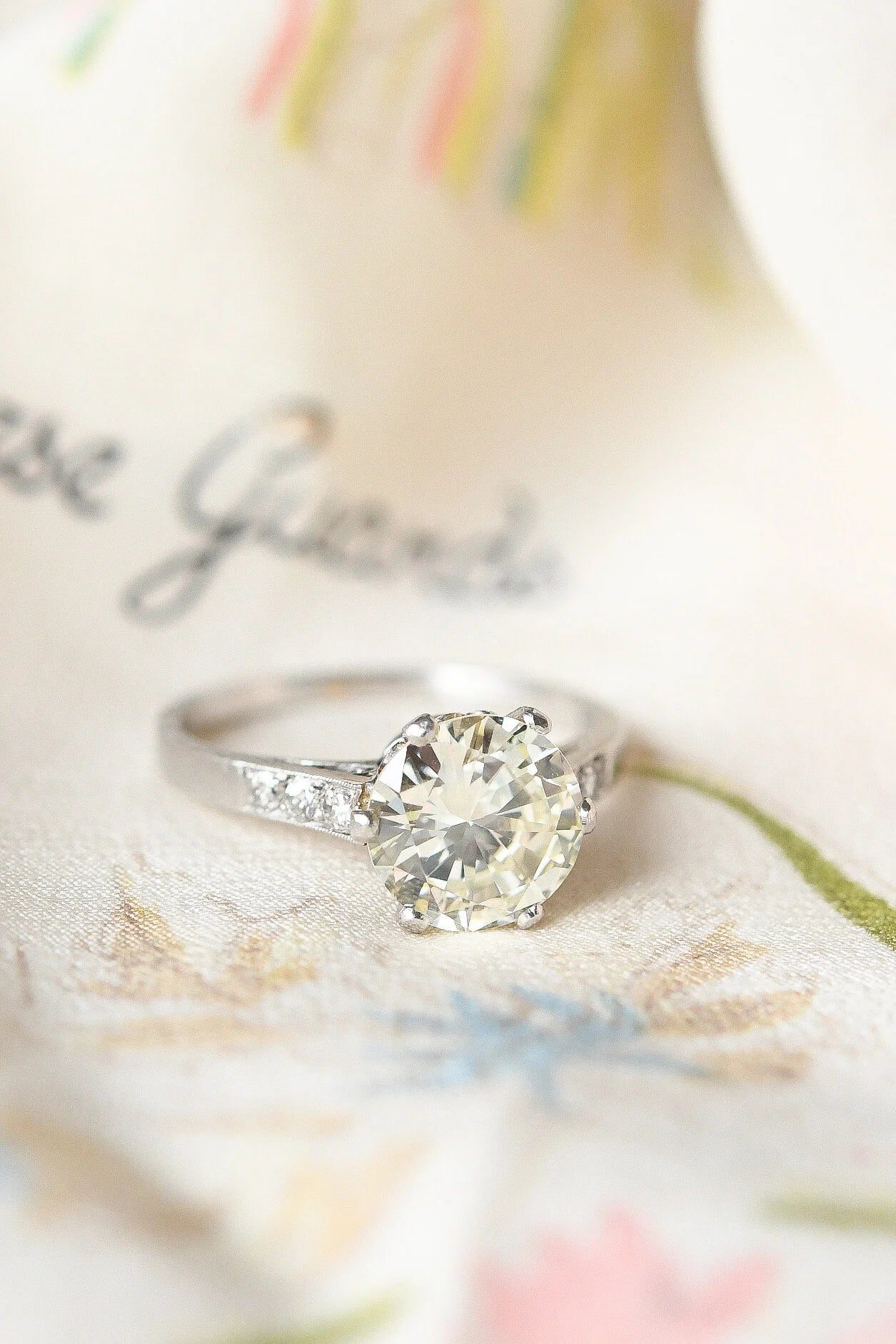
Old mine cuts have a squarish cushion outline, old European cuts are round, and both have a small table, a high crown and an open culet that looks like a tiny hole under the table. Here is how to spot each one.
Closed backs and foiled stones mean Georgian, platinum and milgrain mean Edwardian, geometry and calibre cut stones mean Art Deco. A practical guide to dating a piece from its metal, stones, clasps and motifs.
Identify the piece, price it against the two floors of scrap value and collector value, describe every flaw, ship insured and tracked, and never take payment off platform. A step by step guide for private sellers.
Daylight from a window, no flash, a plain background and a lower exposure will beat any lightbox. Here are the six photographs every jewelry listing needs and the settings that make a phone camera behave.
Art Nouveau curves, Art Deco squares off. Nouveau means flowing asymmetry, insects and enamel around 1890 to 1910. Deco means hard geometry, platinum and calibre cut stones around 1920 to 1935. Six questions that sort any piece.
Measure a ring that already fits: inside diameter in millimetres times 3.14 gives your circumference, which is your European size. Full conversions to US and UK sizes, the five mistakes that cause returns, and which antique rings cannot be resized.
925 is sterling, 830 and 800 are genuine continental silver, and EPNS contains none at all. How to read British date letters, tell Danish three towers from Swedish three crowns, and photograph a worn mark so you can actually read it.
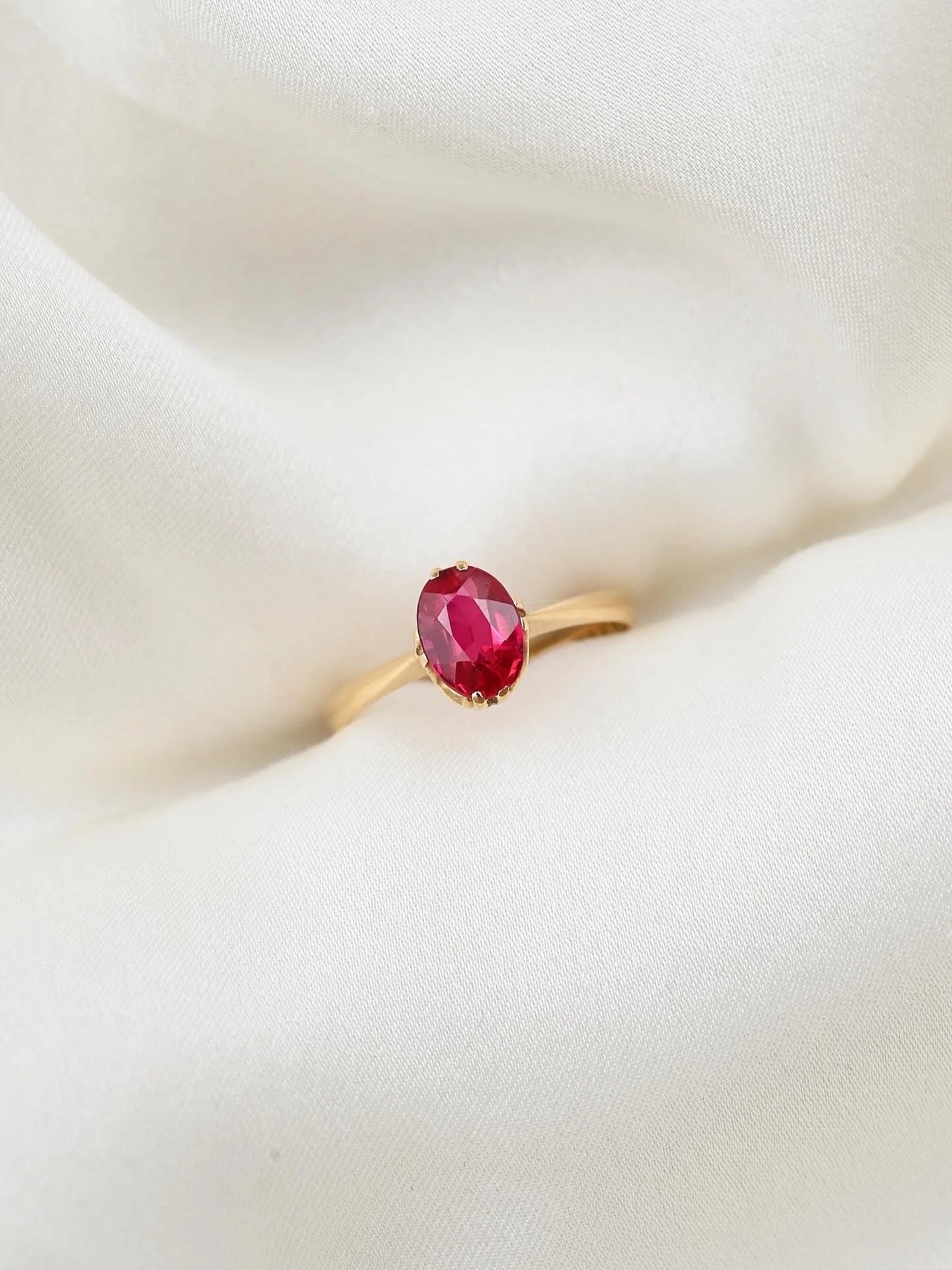
A lab grown ruby is a real ruby. Red glass is not. The useful question is natural, synthetic or simulant. What to look for through a loupe, which treatments are normal, what actually drives price, and when a laboratory report is worth paying for.
Local jeweller, auction house, consignment site, general marketplace, Instagram or a specialist jewelry marketplace. Each route compared on fees, payout speed, audience and risk, including ours.
Retail replacement, fair market resale and melt value are three different numbers that can differ by a factor of five. How to calculate the floor, find real comparables and price a piece so it actually sells.
The seven scams that target jewelry sellers, how to ship valuables so your insurance actually pays out, and what real payment protection looks like step by step. Plus a pre-shipping checklist.