Meeting a buyer in person: how to do local jewelry sales safely
In short
- Public, daylight, accompanied, and never at your home: the location rules are non-negotiable for valuables.
- Payment verifies before handover: cash checked note by note, or instant bank transfer confirmed in YOUR app, never in theirs.
- High-value pieces should not meet strangers in cafes at all: protected shipping with escrow is the safer transaction for everything beyond pocket-money prices.
The local sale has real charms: no shipping, no waiting, cash in hand, and the buyer sees the piece before paying, which kills the not-as-described dispute before it exists. It also concentrates every risk of the trade into one meeting between strangers where one party carries gold. The protocol below keeps the charms and manages the concentration, and its final rule is the most important: some deals should never be local at all.
Location: the three non-negotiables
Public. A busy cafe, a bank lobby, a shopping-centre concourse; many police stations offer designated online-sale meeting zones, which are both safe and wonderfully clarifying, since fraudulent buyers decline them reflexively. Daylight, always, with the meeting set at a specific busy hour. Never your home, in either direction: your address plus the demonstrated fact that jewelry lives there is information no stranger needs, and 'can I just come by' is answered with the cafe. Bring a companion when the piece justifies it, or at minimum tell someone the where and when; the buyer who objects to a witnessed public meeting has explained themselves.
Location changes at the last minute, from the cafe to a car park, from daylight to evening, are the classic setup move: decline, offer the original, and let the deal die if it dies. Deals that only work in isolated places were never deals.
Payment: verify in YOUR world, then hand over
The handover sequence is rigid: payment verified first, jewelry second, no exceptions and no reversals. Cash: count it at the table, check notes, high denominations especially, banks will verify, detector pens help, and bank it promptly after. Instant transfers: watch the money arrive in your own banking app on your own phone before the piece moves; screenshots, confirmation screens and 'it is processing' on their device prove nothing, per the scam-buyer patterns. Refuse at the table: cheques of every flavour, app payments in friend-modes, gift cards, crypto, and any overpayment arrangement, the whole family of unrecallable and reversible tricks. And keep the meeting's paperwork instincts: the piece's documentation handed over with it, a simple receipt for meaningful sums, both parties' interests served.
The value ceiling: when local is the wrong format
Here is the honest line most guides skip: in-person sales suit modest pieces, and the ceiling is your comfort walking around with the item in your pocket. Above it, the format itself is the risk, advertising a meeting where a stranger knows you carry high-value gold is the setup for the one crime no protocol fully manages, and the alternative is simply better: protected shipping with payment held in escrow, tracked and insured per the shipping guide, where nobody meets anybody and the money waits with a referee. Serious buyers of serious pieces know this and prefer it; the 'buyer' who insists on cash-in-cafe for a five-figure ring is answering a question you should be glad you asked. Local for pocket-money prices, escrow for everything else, is the split that keeps both formats safe.
The meeting itself, briefly
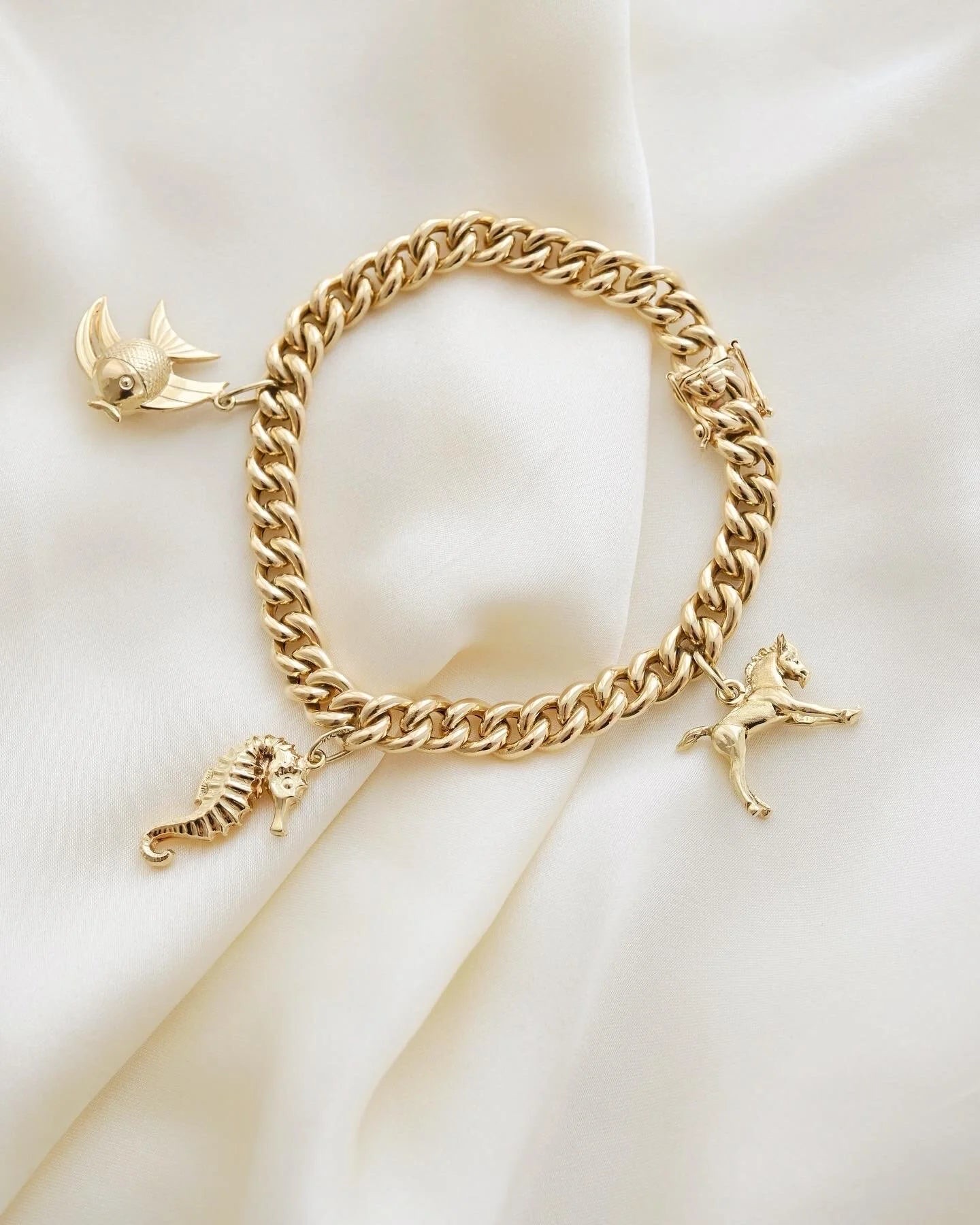
Arrive early enough to choose the table; let the buyer inspect freely, that is the format's virtue, with the piece staying in sight and reach; renegotiation at the table gets the standard treatment, facts against feelings, and the pre-agreed price defended or the meeting ended pleasantly; and trust the instinct that says something is off, since walking away costs a coffee. Done right, the local sale is the friendliest transaction in the trade: two people, one table, an old bracelet changing hands in daylight. Kept right-sized and public, it stays that way, and everything bigger ships protected instead.
Common questions
Where should I meet a buyer for a jewelry sale?
A busy public place in daylight: a cafe, a bank lobby, or the police-station meeting zones many towns provide for online sales. Never your home (it advertises where the rest of the jewelry lives), never theirs, never parking garages at dusk.
How do I safely take payment in person?
Cash counted and checked note by note (banks and counterfeit-detector pens help), or an instant account-to-account transfer you watch arrive in your own banking app before handover. Payment confirmations on the buyer's screen prove nothing; only your own account does.
Should I bring the jewelry to a first meeting?
For modest pieces, yes, with the deal pre-agreed and payment method settled in advance. For valuable pieces, no: serious buyers of serious jewelry accept protected shipping with escrow, and the request to handle five figures of gold in a cafe deserves a polite decline.
What are the red flags for meetup scams?
Changed locations at the last minute, insistence on your home, companions who hang back, urgency theatre, payment by app in unrecallable modes, and any 'my cousin will collect it' variation. Any of these: keep the piece, leave the meeting.
Is cash still safe to accept?
Checked cash in a public place remains perfectly workable for modest sums: count it, verify notes, and bank it promptly. The counterfeit risk is managed by checking; the robbery risk is managed by location and company.
Nextmine is a marketplace for jewelry that has already had one life. Buyers pay into escrow, sellers are paid once the piece has arrived, and every listing is someone's own photographs of their own piece.
Browse the pieces for sale·How payments work·Questions and answers