What does estate jewelry actually mean?
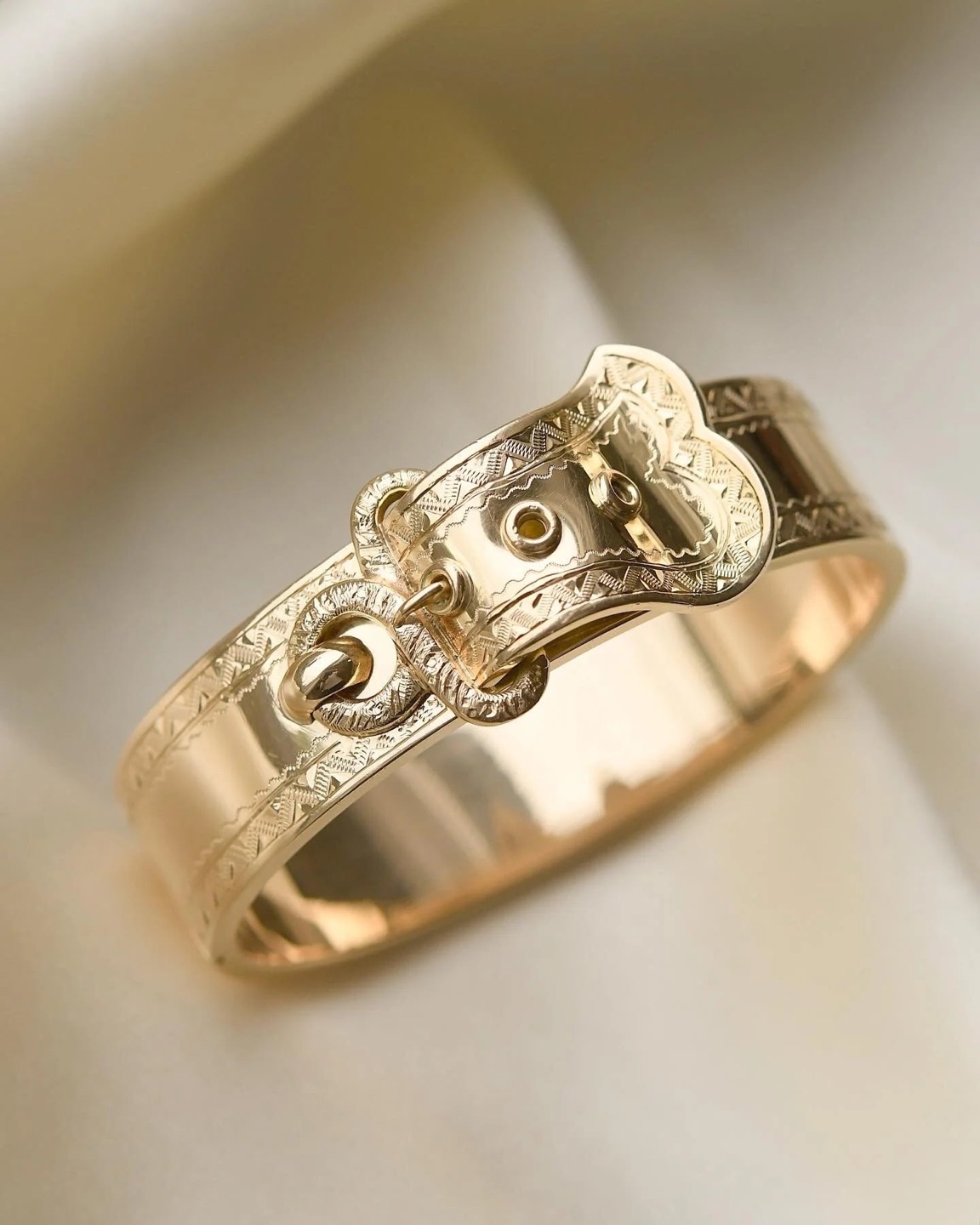
In short
- Estate means second-hand. A piece made in 2019 and worn twice is estate jewelry, and so is a Georgian ring.
- Antique conventionally means over one hundred years old and vintage roughly twenty to one hundred. Only those two carry an age claim.
- Ask for the date and the evidence for it. Estate in a listing is a description of ownership history, not a period.
Estate jewelry means previously owned. That is the entire definition. It is not a period, not a style, not a quality grade and not a guarantee of age. A ring bought new in 2019, worn twice and resold is estate jewelry by every reasonable use of the term.
The word exists because second-hand sounds like a compromise and estate sounds like a country house. Once you know that, listings become much easier to read.
The three words and what each claims
| Word | Conventional meaning | Claims age? |
|---|---|---|
| Estate | Previously owned, any age | No |
| Vintage | Roughly twenty to one hundred years old | Loosely |
| Antique | Over one hundred years old | Yes, and this one is widely agreed |
Antique is the only term with a definition most of the trade and most customs authorities recognise. Vintage is used loosely and has drifted younger over time. Estate makes no age claim at all, which is why it appears so often: it is always true.
Why the distinction is worth money
The gap matters when the pricing borrows the prestige of one word while the object belongs to another. A modern mass-produced ring described as estate sits in a listing beside genuinely antique pieces and benefits from the association. It is not a lie. It is a description doing more work than it should.
So when you see estate, read it as second-hand and then ask the questions that establish what the piece actually is:
- What is the date, and what is that based on? Hallmarks, cut styles, fittings, construction. A seller who dates a piece should be able to say why.
- What are the marks? Photograph of the hallmark, close up. On British pieces a full hallmark with a date letter pins it to the exact year.
- Are the stones original to the mount? Replacement stones are common and change the value.
- Has it been altered? Resized, converted, restored, replated.
What estate is genuinely good for
The word may promise nothing, but the category is one of the best value propositions in jewelry. Whatever the age, a previously owned piece has already lost the retail margin the first buyer paid, which in new jewelry is frequently half the price. That loss does not happen twice.
So estate buying is sensible for exactly the reason the euphemism obscures: the piece is second-hand, and second-hand is where the value is.
Reading an estate listing properly
Good estate listings do not lean on the word. They give the weight in grams, photograph the marks, state the measurements, name the metal and its fineness, describe the stones and their cuts, disclose damage and repairs, and say plainly what is known and unknown about the age.
Listings that lead with estate, heirloom and from a private collection while omitting the weight are describing an atmosphere. The atmosphere is not the object, and you are buying the object.
Common questions
Does estate jewelry mean old?
No. Estate simply means previously owned. A ring bought last year and resold is estate jewelry. The word is often used because it sounds more appealing than second-hand, and it carries no age claim at all.
What is the difference between estate, vintage and antique?
Estate means previously owned, at any age. Vintage conventionally means roughly twenty to one hundred years old. Antique conventionally means over one hundred years old. Only the last two make a claim about period, and only the last one has a widely agreed definition.
Does estate jewelry come from someone who died?
Sometimes, but not necessarily. The term borrows the language of estate sales, and much estate stock comes from ordinary resale, divorce, downsizing or dealers buying collections. There is nothing sombre implied by the word.
Is estate jewelry a good buy?
Frequently, because the original retail margin has already been absorbed by the first owner. What matters is what the piece actually is, so treat the word as neutral and ask about period, metal, stones and condition.
How do I check the age of an estate piece?
Hallmarks give the strongest evidence and can date a British piece to the year. Otherwise, stone cuts, fittings such as clasps and earring backs, and construction methods bracket the period. Ask the seller what their dating is based on.
Nextmine is a marketplace for jewelry that has already had one life. Buyers pay into escrow, sellers are paid once the piece has arrived, and every listing is someone's own photographs of their own piece.
Browse the pieces for sale·How payments work·Questions and answers