What to do with an engagement ring after a breakup
In short
- Do nothing for a month: rings sold in the raw weeks sell worst. The ring is not going anywhere, and neither is its value.
- Realistic resale: secondhand rings sell at fair market value, well below the retail receipt. Know the number before choosing between selling, remaking and keeping.
- Remaking, stone into a new setting or pendant, keeps the value and sheds the history; selling funds the next chapter; both beat a drawer of unresolved feelings.
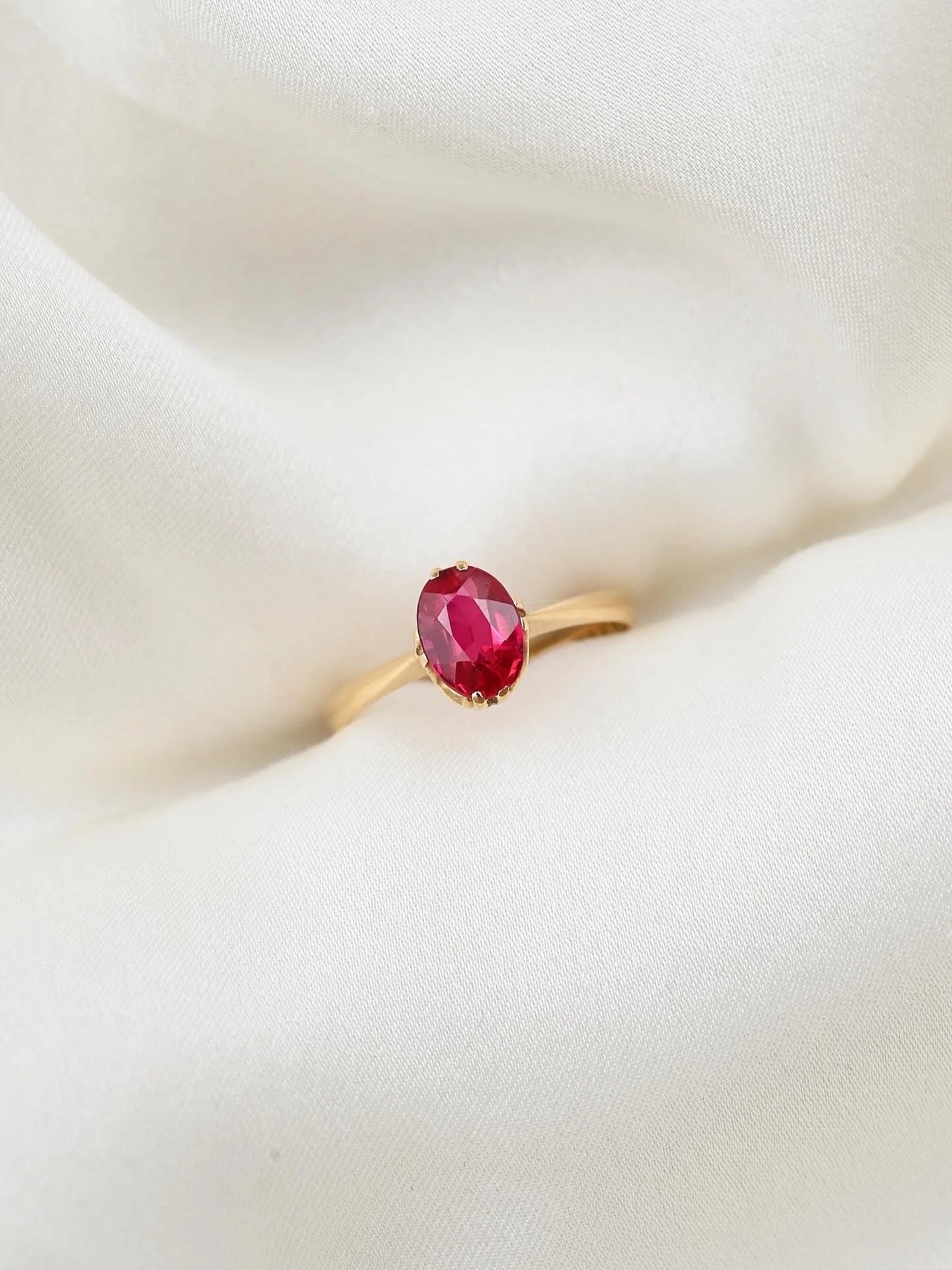
There is a ring in a drawer, and it is louder than any object its size has a right to be. Whatever ended, the ring remains: paid for, meaningful in the wrong direction now, and asking a question every time the drawer opens. This is a guide to answering it, with the etiquette, the realistic numbers, and the options, written from the unsentimental end of the trade where these rings eventually arrive.
First: wait, on purpose
The only universally bad decision is the immediate one. Rings sold in the raw first weeks get sold badly, rushed to the nearest gold counter at melt value, dumped online at the first lowball, because the seller is purging, not selling. The ring holds its value while you wait; gold and diamonds do not expire. Give it a month minimum, longer after long relationships, and make the eventual decision about money and future rather than about the argument. The one exception to waiting: get the practical questions settled early if the split is formal, who keeps it being conversation one.
Who keeps the ring
Convention, and law in many places, treats an engagement ring as a conditional gift: given in contemplation of a marriage, returnable if the marriage never happens, kept by the wearer once it did. Broken engagement: ring commonly goes back. Divorce: ring commonly stays with the wearer. Local law varies and only matters if lawyers are already in the room; between decent people it is one honest conversation, and the heirloom case, a family stone from his grandmother, say, is the one place where "return it regardless" is simply good manners. Once ownership is settled, the owner has three doors.
Door one: sell it
The clean break, and the one requiring the most honest arithmetic. Secondhand rings sell at fair market value, typically a third to two thirds of the retail receipt for modern rings, the gap being the showroom margin that vanished at first wearing, exactly as the worth guide explains. Antique and distinctive rings do proportionally better, collector demand replacing retail markup. Selling well means the standard craft: certificate found or obtained for a significant stone per the certificate guide, honest photos and condition, pricing from sold comparables, and a protected transaction with payment in escrow. One kindness to yourself: sell toward something named, the trip, the deposit, the new start, because proceeds with a destination close the chapter better than money that just dissolves.
Door two: remake it
The stone is innocent; the setting carries the history. Resetting the diamond into a new ring for another finger, a pendant, or earrings keeps the family's money in the family, sheds the specific object the memories live in, and costs a jeweller's fee rather than the resale discount. It is the standard answer for inherited-divorce stones and increasingly the standard for own-breakup rings too. The honest caveats: remaking is for stones worth the fee, and the old setting then sells as scrap or secondhand mount, priced by the gold arithmetic. Sentiment can also go the other way, some people happily wear the stone onward as a self-ring, history and all; feelings are allowed to be practical.
Door three: keep it, deliberately
Keeping is legitimate when it is a decision rather than a postponement: as an heirloom-in-waiting for children, as a stone bank for a future remake, or simply because time has already defused it. The test is honest: if opening the drawer costs nothing, keep freely; if the ring still broadcasts, it is a postponement wearing a keepsake's clothes, and doors one and two are still open. Rings are patient. The only thing they cannot do is resolve themselves, and the drawer, left to its own devices, votes for another decade of static. Choose a door; all three lead out. And when the door is selling, the market is here, where these rings begin their second chapters every week.
Common questions
Who keeps the engagement ring after a breakup?
Customs and laws vary: the common convention treats the ring as a conditional gift returned if the engagement ends before marriage, while after divorce it is usually the wearer's property. Between decent people it is a conversation, not a courtroom; check local rules only if it must become one.
How much will I get selling an engagement ring?
Fair market value: typically a third to two thirds of the retail price for the diamond and setting, better for antique rings with collector appeal. The retail receipt is a memory, not a valuation; sold comparables and the stone's certificate set the real number.
Should I sell the ring or reset the stone?
Emotional arithmetic: resetting keeps the stone's value in the family and sheds the ring's history for a jeweller's fee; selling converts everything to money and a clean break. Both are healthy; the drawer where the ring radiates quietly for a decade is the option to avoid.
Is it bad luck to buy a secondhand engagement ring?
Antique engagement rings are among the most wanted pieces on the vintage market, and nobody calls a 1910 ring unlucky for having history. A ring's next chapter belongs to its next couple; the superstition mostly evaporates when the discount appears.
When is the right time to sell?
After the feelings settle and before the ring becomes a shrine: for most people, some months. Sell into a strong gold and diamond market when you are ready, per our gold timing guide, and use the proceeds deliberately; rings sold toward something feel better than rings sold away from someone.
Nextmine is a marketplace for jewelry that has already had one life. Buyers pay into escrow, sellers are paid once the piece has arrived, and every listing is someone's own photographs of their own piece.
Browse the pieces for sale·How payments work·Questions and answers