How to describe jewelry condition honestly (and why it pays)
In short
- Vague grades like 'good condition' mean nothing. Specific observations, worn engraving, tight hinge, original clasp, build trust and price.
- Disclose every flaw with a photo. A disclosed flaw is a detail; a discovered flaw is a return.
- On antiques, honest wear is expected and originality is value. Describe age, do not apologize for it.
"Good condition for its age" is the least useful sentence in secondhand jewelry. It tells the buyer nothing, it tells the dispute mediator nothing, and it quietly tells experienced collectors that you have not really looked. Condition description is a skill, and it is the cheapest upgrade any seller can make: it costs ten minutes with a loupe and pays in trust, price and the absence of returns.
Why specifics beat grades
Grades are relative to the grader, and buyers know it. What actually works is observation: not "very good condition" but "crisp engraving, tight hinge, original clasp working correctly, light scratching to the reverse". Each specific is checkable on arrival, and a listing full of checkable claims makes a promise the parcel can keep. That is the entire psychology of it: buyers do not pay for perfection, they pay for predictability.
Specifics also protect you. When a buyer opens a dispute, "good condition" is your word against their disappointment; "photographed dent to the lower left of the clasp, described in the listing" is a closed case.
The inspection routine
Do it in this order, with a loupe or your phone camera zoomed in, and write down what you see as you go:
Metal surfaces. Scratching light or heavy, dents, dings, worn-through plating, thin spots on chain links, solder marks. Old solder shows as color mismatch; find it at clasps, jump rings and ring shanks.
Stones. Present, matching, secure. Push gently: a rattling stone goes in the description. Chips hide at girdle edges and facet corners; tilt under one light. Note obvious replacements, a bright modern stone among old cuts is worth a sentence.
Function. Clasps close and hold, hinges move without wobble, pins are straight and sprung, catches catch, earring backs grip. Say which are original and which are later replacements when you can tell.
Marks. Photograph and transcribe every stamp. Marks are condition in the legal sense, they define what the piece is, and a listing that reads them out loud, 585, maker's initials, date letter, removes the largest category of doubt. If you cannot decode them, say what you can see; the hallmark reader at The Hallmark Society (whose people are connected with us) exists for exactly this.
Alterations. Resizes, shortened chains, converted brooches, re-tipped claws, replaced stones. Alterations are normal in old jewelry; undisclosed alterations are the problem.
The vocabulary that earns trust
A short glossary of phrases that mean something, and what they promise:
| Phrase | It promises |
|---|---|
| Original surface, age-consistent patina | Not over-polished; honest age intact |
| Crisp / softened / worn engraving | How much detail wear has taken |
| Tight hinge, positive clasp | Mechanics work as built |
| Old resize, cleanly done | Altered, professionally, disclosed |
| Later replacement clasp | Function fine, originality partial |
| All stones present and secure | Checked, not assumed |
| Wearable as is / needs attention before wear | The practical bottom line |
The last row matters most to non-collectors: end every condition section with the practical verdict, because "can I wear this Friday" is the question most buyers are actually asking.
Antiques: describe age, do not apologize for it
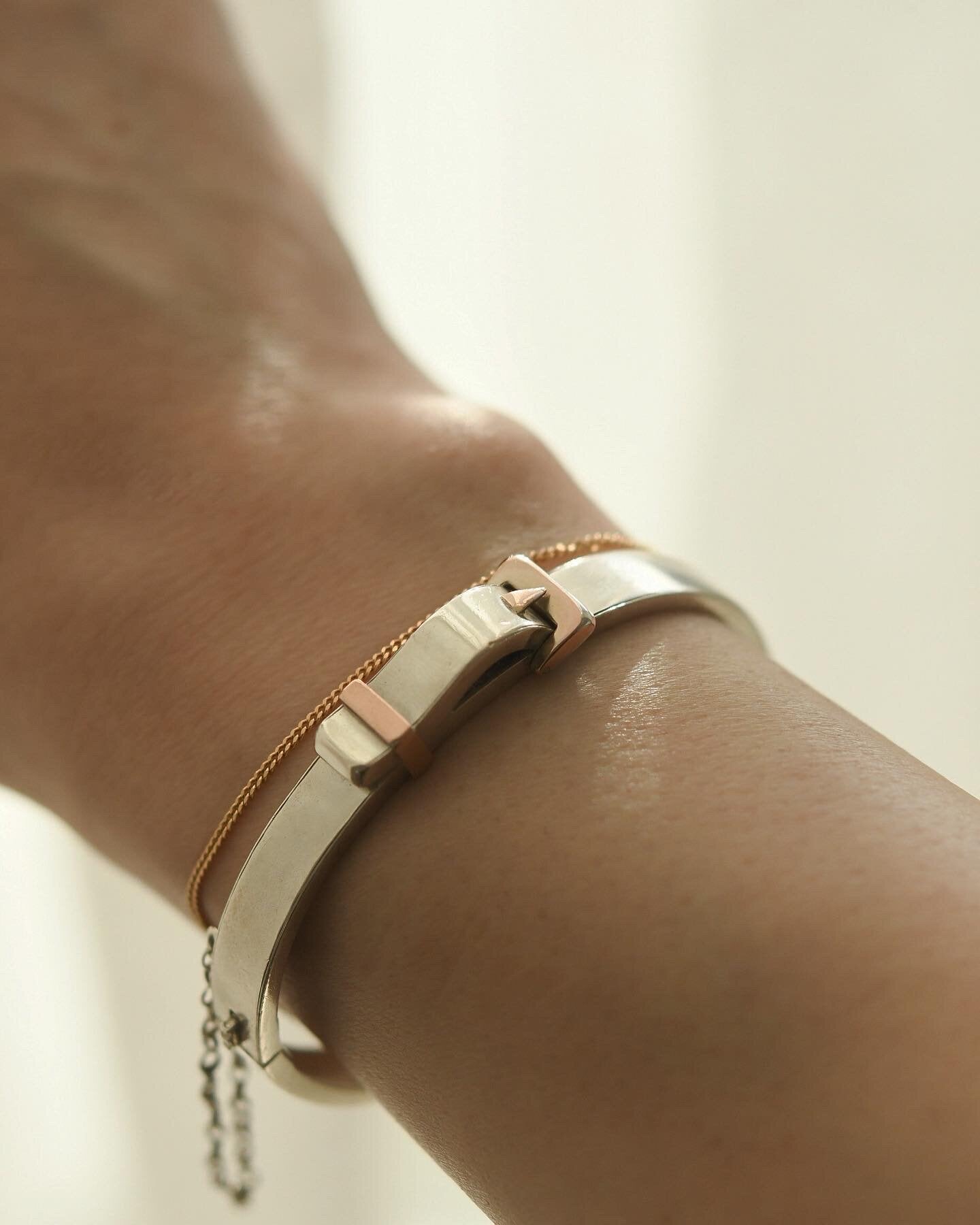
On a 120-year-old piece, wear is biography, and originality is the thing collectors pay for. A worn Victorian bracelet with its first surface can be worth more than the same bracelet polished bright, which is why the restoration guide so often answers "leave it alone". Write condition accordingly: patina is stated with confidence, honest wear is "consistent with age", and only losses and broken function are flaws. Sellers who apologize for age teach buyers to discount it; sellers who explain age teach buyers to value it.
Photograph the flaws on purpose
Every disclosed flaw gets its own photo, close, sharp and lit. This feels like arguing against your own sale and does the opposite: flaw photos are trust signals, proof that nothing is hidden, and they preempt the gap between imagination and doorstep that causes returns. The listing photos sell the piece; the flaw photos sell you. Pair them with the honest text and you have the seller profile that does well on any platform, including here.
Condition honesty is not a moral tax on selling. It is pricing information, dispute armor and reputation, delivered in the same ten minutes. The sellers who master it stop having difficult buyers, because difficult buyers are mostly surprised buyers, and their listings have no surprises left.
Common questions
What do jewelry condition grades actually mean?
There is no universal standard, which is why bare grades communicate so little. 'Excellent' from one seller is 'good' from another. Use a grade if your platform expects one, but do the real work in specifics: surface wear, stone security, clasp function, repairs, alterations and what remains original.
Do I have to mention every tiny scratch?
Mention categories honestly rather than cataloguing every micro-scratch: 'light surface wear consistent with age' covers normal patina. Individually disclose anything a buyer would notice on arrival: chips, dents, bent settings, missing stones, kinks, repairs, lost enamel and engraving worn past reading.
Does honest disclosure lower my price?
It lowers the fantasy price and protects the real one. Disclosed flaws are priced in once; undisclosed flaws are priced in twice, first as a return or dispute, then as your seller rating. Experienced buyers pay more to sellers whose listings they can trust.
How do I describe a repair I can see but did not commission?
Describe what you observe without guessing at history: 'solder visible at the shank, consistent with an old resize' or 'later replacement clasp'. Observation is honest; invented certainty is not. Buyers respect 'I can see X' far more than a wrong story.
Is patina damage?
No. Patina is the mellow surface age builds on metal, and on antiques it is value; collectors pay for it and over-polishing destroys it. Describe it as what it is: original surface with age-consistent patina. Damage is broken function or losses, not honest age.
Nextmine is a marketplace for jewelry that has already had one life. Buyers pay into escrow, sellers are paid once the piece has arrived, and every listing is someone's own photographs of their own piece.
Browse the pieces for sale·How payments work·Questions and answers