How to sell a pocket watch: cases, movements and honest listings
In short
- Document both halves: the case's hallmarks date and certify the metal, the movement's serial and maker date the machine. Buyers pay for the pairing.
- Do not wind it hard, do not open what resists, do not polish anything: sell the watch's condition honestly rather than improving it into damage.
- Not running is not worthless: cases carry metal value, good movements carry parts and restoration value, and honesty about state sells both.
A pocket watch is the only heirloom that is two objects wearing one name: a case, which is hallmarked precious metal with jewelry rules, and a movement, which is a machine with serial numbers and its own collector market. Sellers who list "old gold watch, probably broken" are selling neither object; sellers who document both routinely discover the tired drawer watch was worth multiples of the guess. Here is the documentation, and the restraint, that gets you there.
Read the case like jewelry
Open the back gently, most hinge from a lip, some unscrew, nothing should be forced, and the inside is usually a beautifully preserved hallmark surface: case maker's punch, fineness mark, town mark, often a date letter naming the exact assay year. Transcribe and photograph everything; the reference guide to watch case marks at The Hallmark Society (run by people connected with us) decodes the rows, and a dated case transforms a listing from "vintage" to "London, 1897". Weigh the watch too: a gold case is substantial metal, and its weight, minus an allowance for movement and glass, anchors the price floor exactly as in the pricing method. Gold-filled and plated cases, common on American watches, carry their own honest markings, "guaranteed 20 years", and must be described as what they are.
Read the movement like a machine
Under the back or dust cover lives the movement's identity: the maker's name engraved on the plates, a serial number, jewel count, and grade markings. The serial dates the movement via the makers' published tables, and name plus grade drives collector interest, some ordinary-looking watches carry sought-after movements and vice versa. Record what the watch does honestly: winds and runs, runs briefly and stops, will not wind, balance swings or does not. Precision here is free money, because "not running" spans everything from a dry mainspring to a cracked jewel, and informed buyers price the difference.
Two restraints protect value while you document. Do not wind a stiff watch hard, a jammed movement forced is a broken movement, and do not open anything that resists; sell with what is visible rather than with fresh damage. And polish nothing: case patina and even the watchmakers' scratched repair dates inside the back are provenance, the same leave-it-alone doctrine as the restoration guide.
Listing the two objects as one
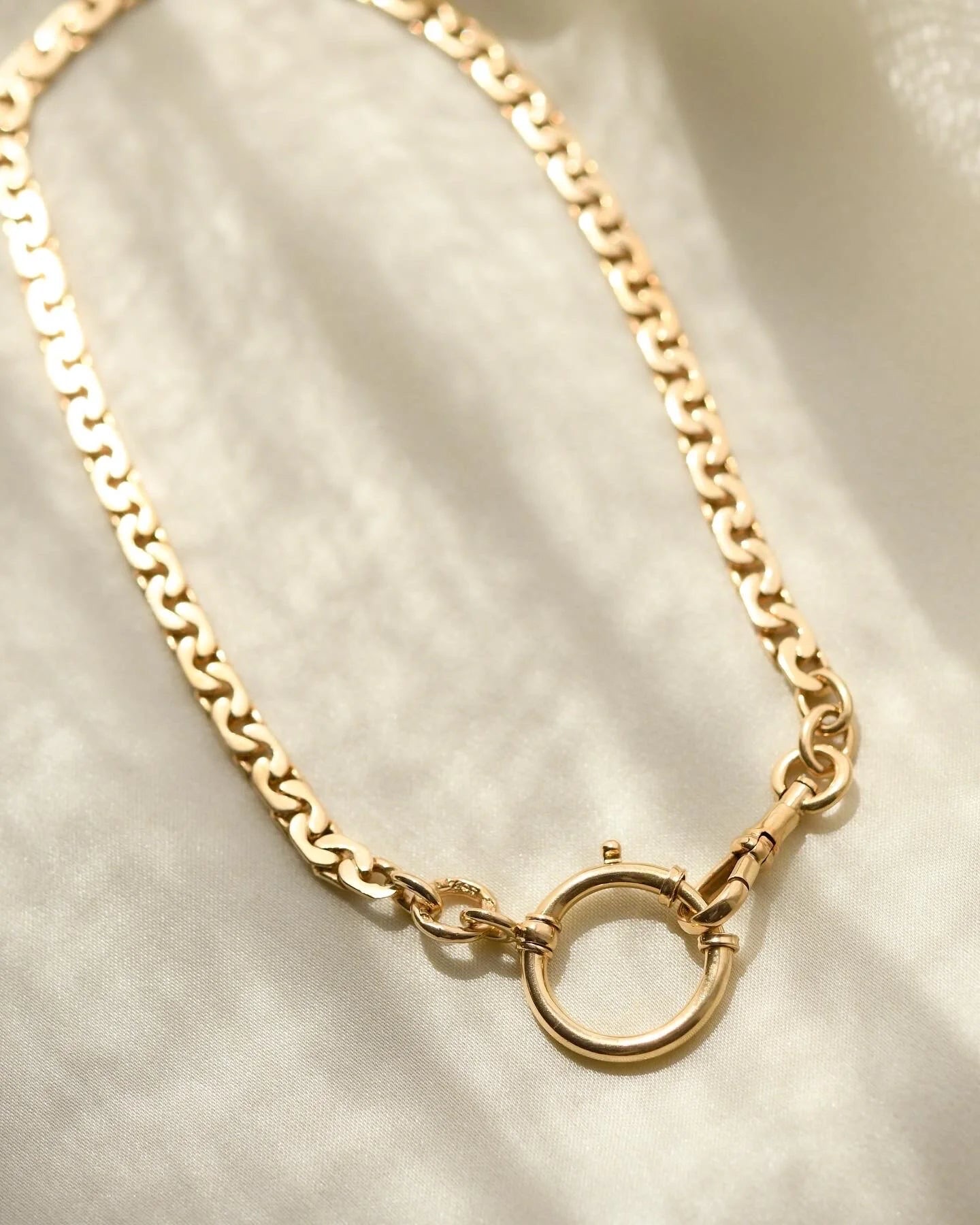
The strong listing reads like a dossier: case metal, marks transcribed, weight, date; movement maker, serial, state; dial, hands and glass condition; and photographs of all of it, dial, case back outside and inside, movement, marks close up. State the pairing honestly, original-looking pairings are worth saying, and re-cased or married watches, common and legitimate, are worth disclosing, since the marks and serials will tell a knowledgeable buyer anyway. Chains sell separately: a good watch chain is jewelry with its own market and often outearns a modest watch; photograph them together for romance, price them apart for arithmetic.
Non-runners deserve their own honesty: a broken watch with a gold case is a gold object plus a parts-or-project movement, and listed exactly that way it sells briskly to restorers and case-hunters alike. What kills watch listings is not brokenness but vagueness.
The transaction, watch edition
Everything from the standard playbook applies, with shock added to the threat list: platform payment held in escrow, the listing as contract, and shipping per the packing guide plus watch rules, wound down, crown and bow cushioned, rigid double box, insured at the real number. Movements hate drops more than gold does. Then the pleasant surprise most sellers meet: the market for honest, documented pocket watches, running or not, is deep and patient, grandfathers' watches being the single most searched-for heirloom there is. Document both objects, restrain the polish, and list it as the dossier it deserves.
Common questions
How do I find out what my pocket watch is worth?
Identify both halves: the case metal from its hallmarks (gold cases carry weight-based value plus age premium), and the movement from the maker's name and serial number under the back cover. Sold comparables for that maker, grade and case metal set the market; the case's gold weight sets the floor.
Should I get a non-running watch repaired before selling?
Usually no: servicing costs real money and buyers of old watches routinely plan their own restoration. Describe the state precisely, winds but does not run, runs briefly, balance swings, and let the price reflect it. The exception is a high-value watch where a quote from a watchmaker clarifies what you have.
How do I open the case back safely?
Most backs hinge from a small lip or unscrew gently; use a fingernail or a case knife at the lip, never force, and stop if it resists. The marks and serials you need are usually inside the first back or dust cover. If it will not open easily, photograph the outside and sell honestly with what is visible.
Is the chain sold with the watch?
Separately is usually smarter: watch chains are wanted jewelry in their own right and often outvalue modest watches. Photograph them together, price them apart, and say so in both listings.
How should a pocket watch be shipped?
Wound down (do not wind before shipping), cushioned so the crown and bow cannot take shocks, in a rigid double box, insured and signed for. Movements dislike shocks more than jewelry does; overpack accordingly.
Nextmine is a marketplace for jewelry that has already had one life. Buyers pay into escrow, sellers are paid once the piece has arrived, and every listing is someone's own photographs of their own piece.
Browse the pieces for sale·How payments work·Questions and answers